“Rootelligence”
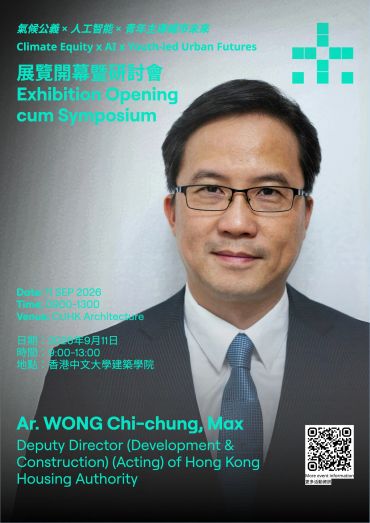
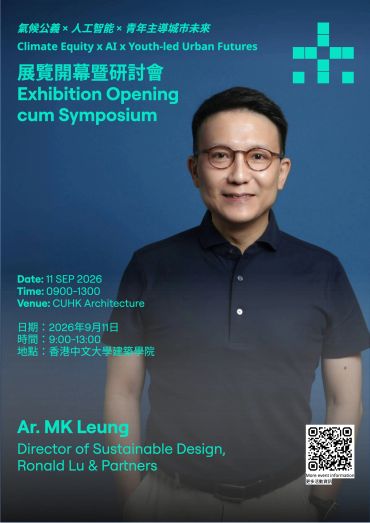
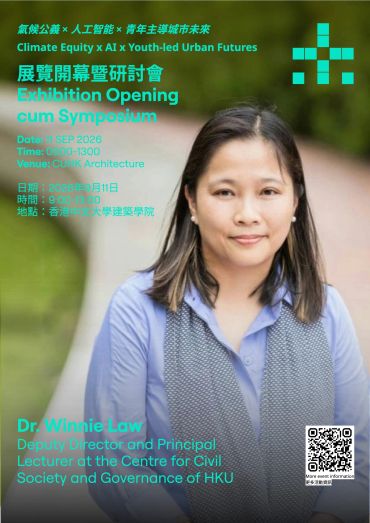
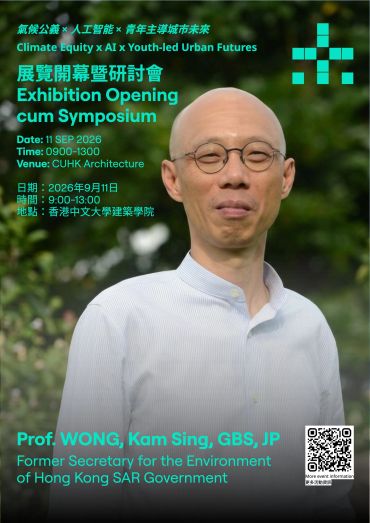
Exhibition & Symposium
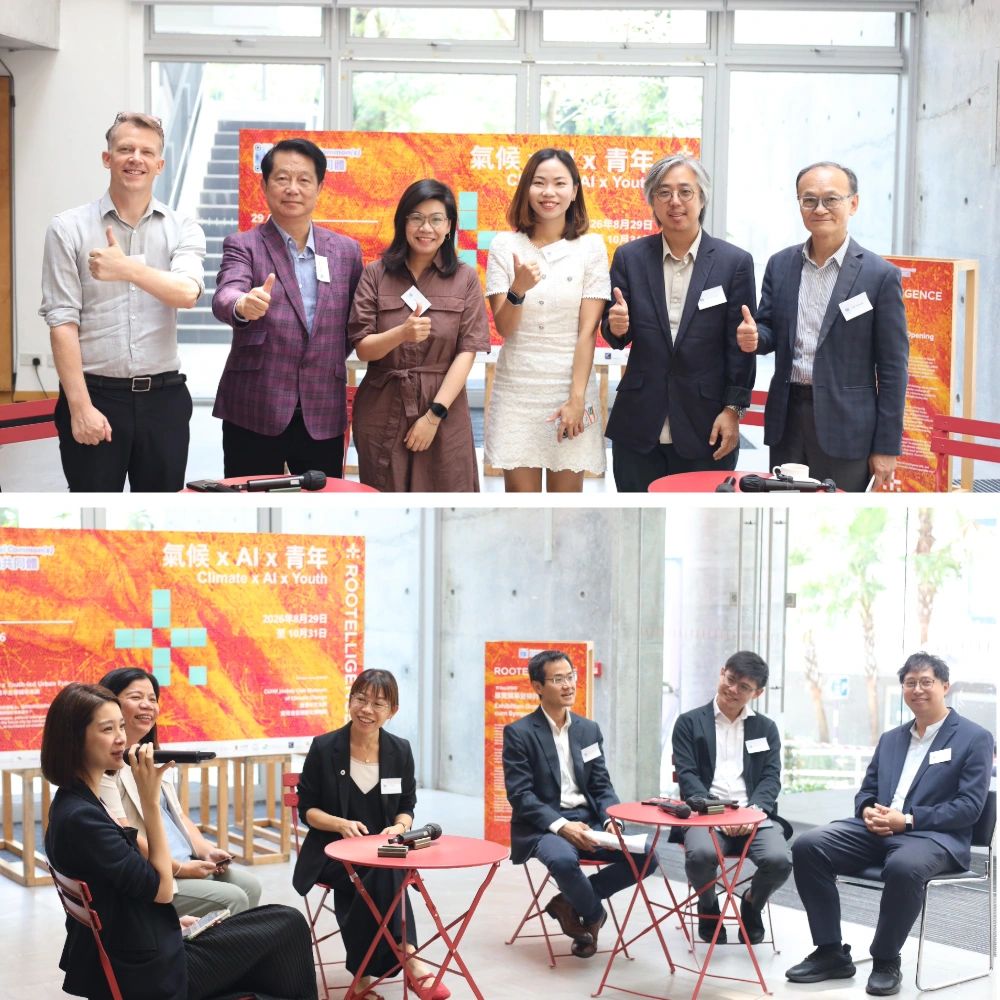
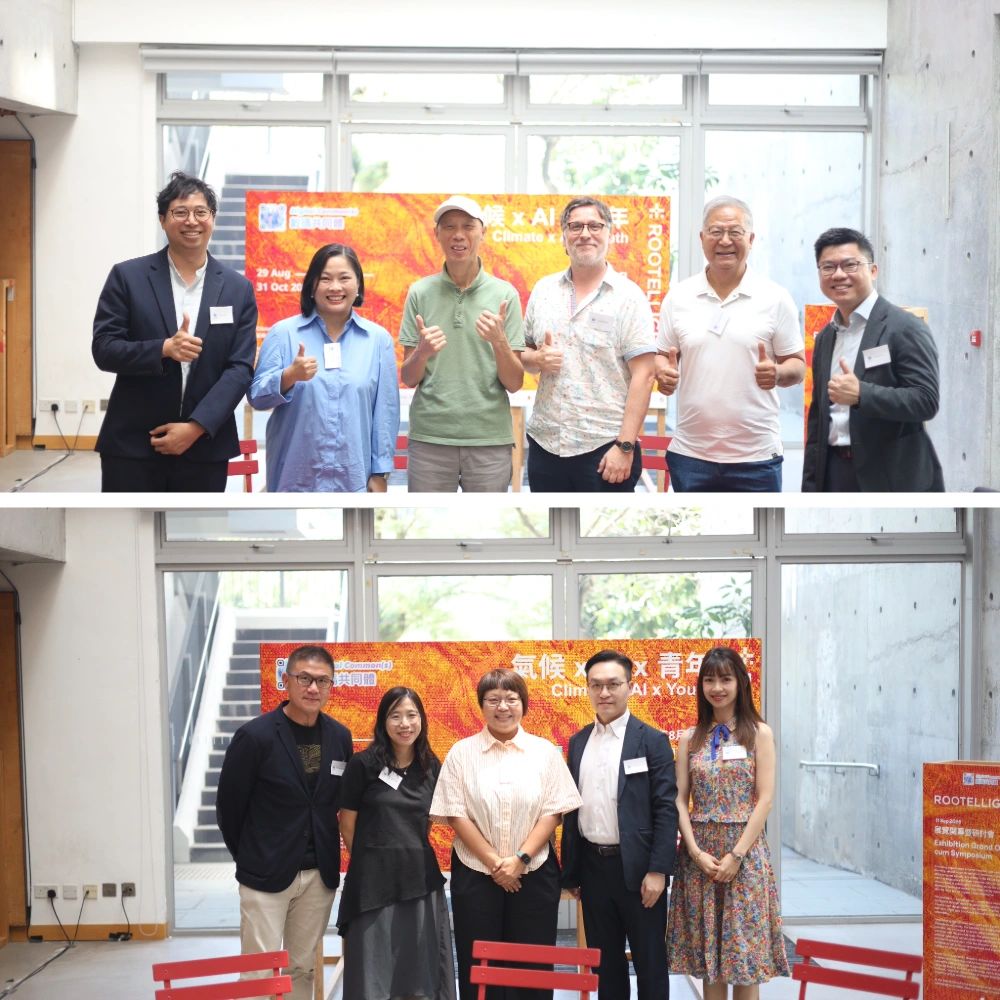
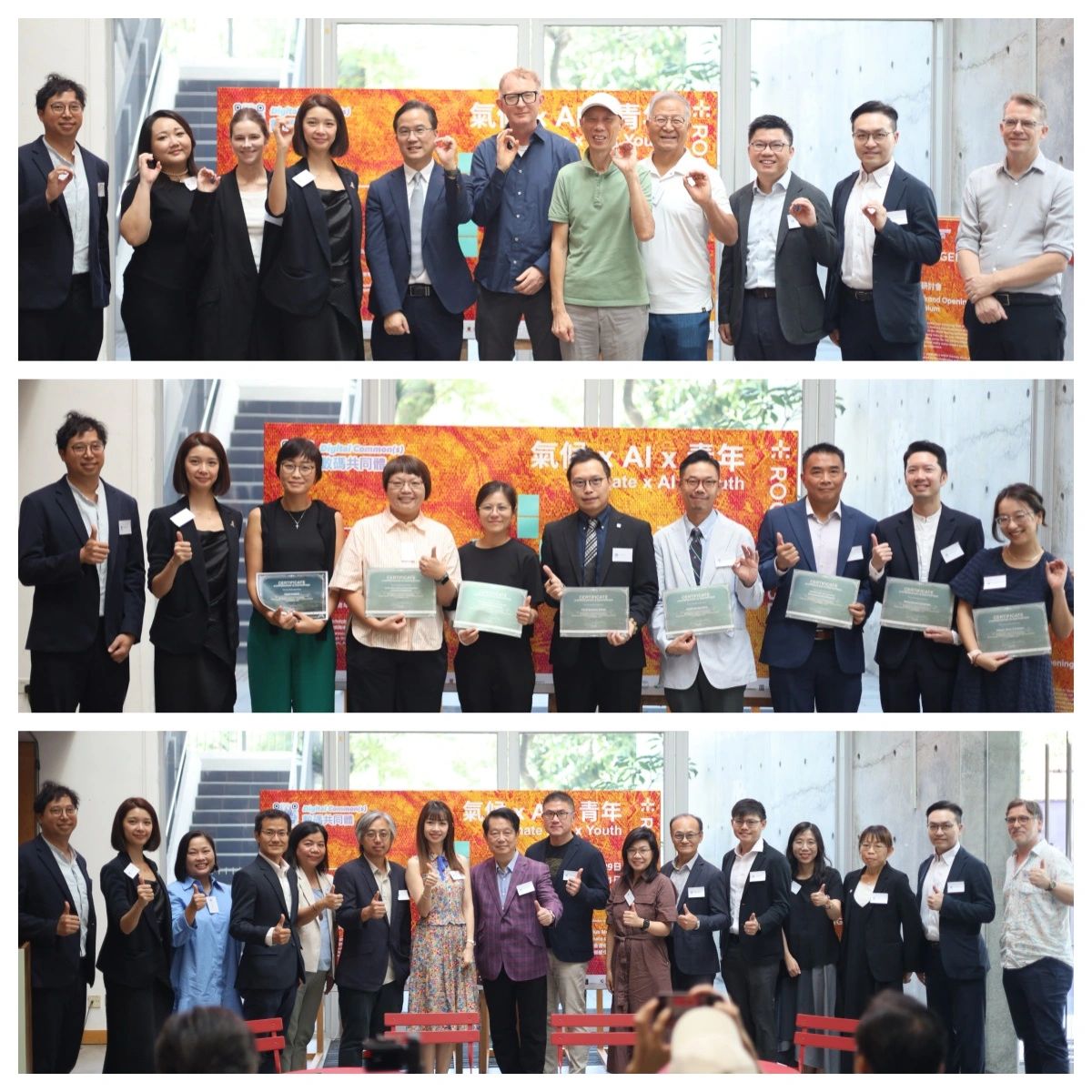
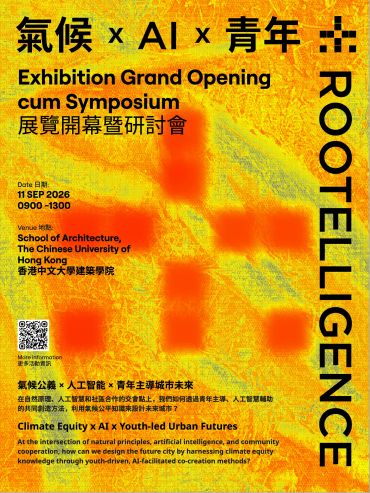
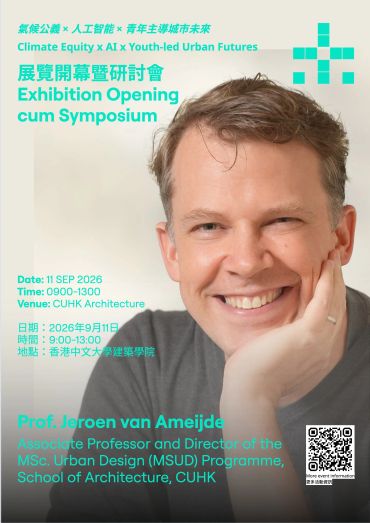
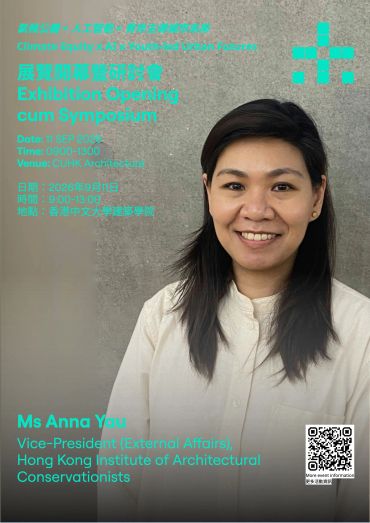
“Rootelligence”: Climate Equity x AI x Youth-led Urban Futures — Exhibition & Symposium
“Rootelligence”: Climate Equity x AI x Youth-led Urban Futures — Exhibition & Symposium
“Rootelligence”: Climate Equity x AI x Youth-led Urban Futures — Exhibition & Symposium
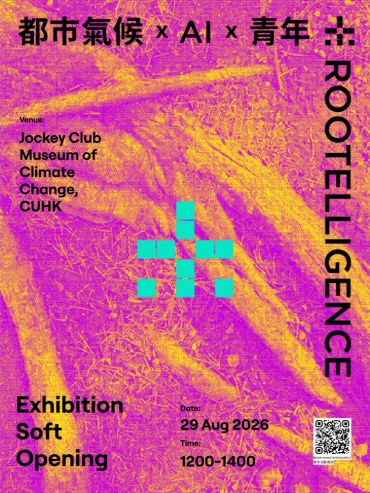
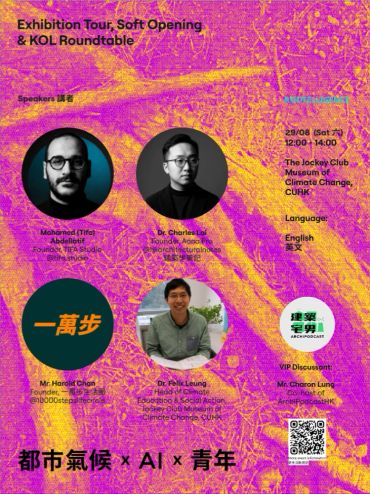
29 August – 31 October 2026 | THE HONG KONG JOCKEY CLUB MUSEUM OF CLIMATE CHANGE
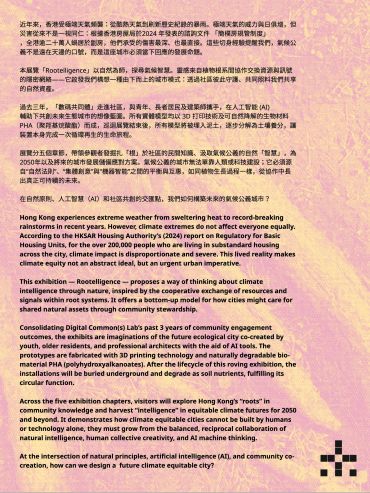
Hong Kong experiences extreme weather from scorching heat to record-breaking rainstorms. Climate extremes do not affect everyone equally. For the over 200,000 people living in substandard housing across the city, the impact is disproportionate and severe. The underprivileged neighbourhood suffered from poorly ventilated spaces during heatwaves, or was exposed to flooding and leakages during torrential rains. This lived reality makes climate equity not an abstract ideal, but an urgent urban imperative.
Participatory design can help address this by bringing citizens and professionals together to shape responses that reflect both environmental conditions and community needs. Youth are especially important in this process because they are not only future residents of our cities, but also active contributors to how technology, ecology, and social priorities are being negotiated today. Artificial Intelligence (AI) can further support this process by helping participants analyse data, visualise design ideas, and generate prototypes for urban design.
At the intersection of natural principles, artificial intelligence, and community cooperation, how can we design the future city by harnessing climate equity knowledge through youth-driven, AI-facilitated co-creation methods?
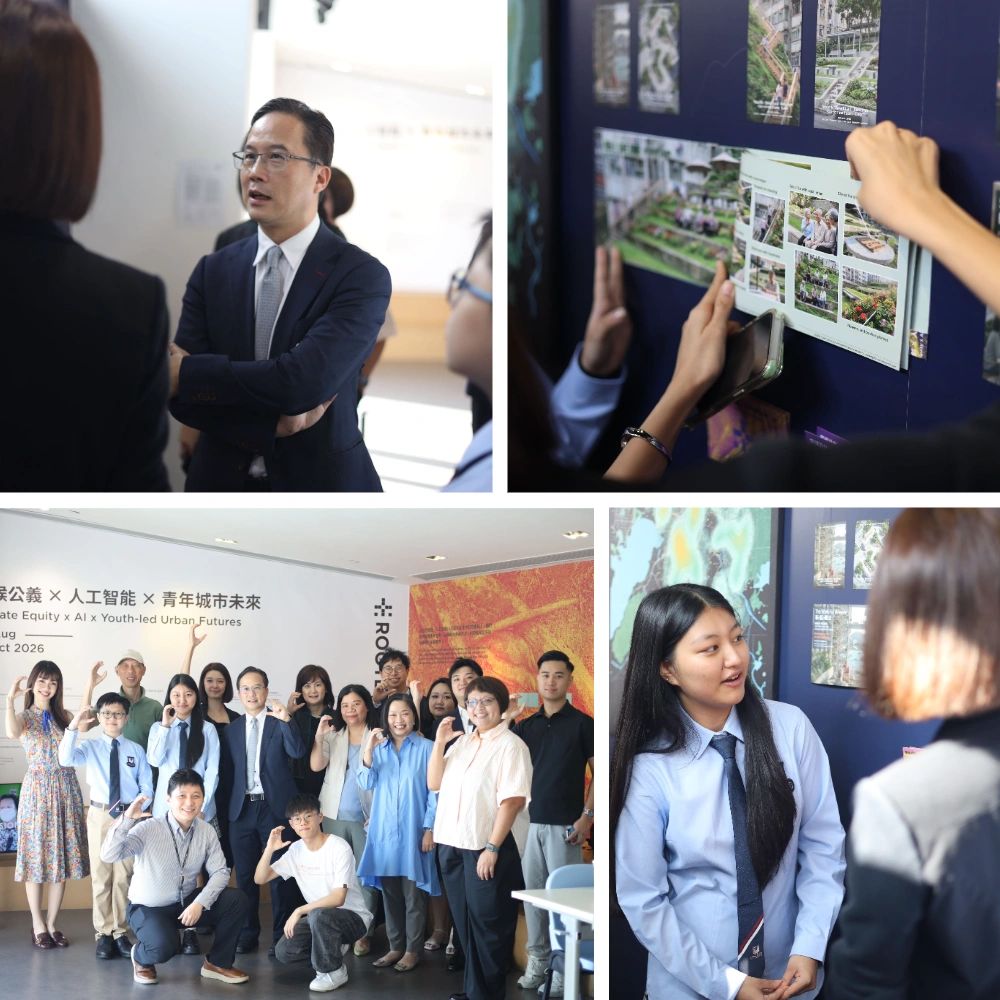
This exhibition — Rootelligence — is a way of thinking about intelligence through nature, especially the cooperative exchange of resources and signals within root systems. It offers a bottom-up model for how cities might care for shared natural assets. Across five chapters, visitors explore Hong Kong’s “roots” in community knowledge and harvest “intelligence” in equitable climate futures for 2050 and beyond. It demonstrates how climate equitable cities cannot be built by humans or technology alone, they must grow from the balanced, reciprocal collaboration of natural intelligence, human collective creativity and AI machine intelligence.
Hosted by
- Digital Common(s) Lab
- Jockey Club Museum of Climate Change
- CUHK School of Architecture
This exhibition and symposium unites students, architects, researchers, policymakers, and citizens to pioneer a regenerative urban order where nature, humans and machines thrive together.
「Rootelligence」 氣候公義 × 人工智能 × 青年主導城市未來 — 展覽及研討會提案
“Rootelligence”: Climate Equity x AI x Youth-led Urban Futures — Exhibition & Symposium
“Rootelligence”: Climate Equity x AI x Youth-led Urban Futures — Exhibition & Symposium
展期:2026年8月29日至10月31日 | 賽馬會氣候變化博物館
香港持續面對高溫、極端暴雨等惡劣天氣,超20萬居於不合標準房屋的基層市民受災情況遠較其他群體嚴重:熱浪期間居所通風欠佳,暴雨則容易出現水浸、滲漏,反映氣候公義並非空泛理念,而是城市亟待處理的議題。
透過公民與專業人士共同參與的共創設計,可結合環境現況與社區需要制訂對策;青年既是未來城市使用者,亦是科技、生態、社會資源分配的當下參與者,而人工智能能協助數據分析、設計視覺化及城市設計原型製作,輔助整個共創流程。
展覽概念與五大章節
展覽名稱「Rootelligence」意指從植物根系資源互通的自然智慧啟發,建構由下而上、共同守護城市自然資源的模式,透過五大章節讓參觀者認識香港本土社區根基,並構想2050年及以後具氣候公義的城市藍圖,證明理想城市不能單靠人類或科技,必須融合自然智慧、大眾集體創意與人工智能三方平衡協作。
展覽融合生物材料製作、互動裝置、學生AI設計作品及影像創作,五大章節內容如下:
1. 根基(Root):生物材料生態景觀實驗,藉傳統造景理念重新定義人與自然共存模式;
2. 人(People):收集社區故事的互動裝置,闡述集體記憶是城市氣候抗禦力的基礎;
3. 調適(Adaption):12套中學生參賽作品,結合仿生學、自然解決方案與AI,展示城市未來之餘帶出氣候危機警示;
4. 探索(Exploration):廢紙打造感官走廊,反思設計教育帶來的環境成本,研發可持續教學模式;
5. 韌性(Resilience):沉浸式數據視像短片,搭配可帶走的升級再造版畫作品。
活動三大目標
1. 展出由中學生、研究人員及建築師共同研發的一系列城市設計原型;
2. 針對科技發展浪潮,探討氣候公義嶄新構思與核心議題;
3. 促進公私營機構合作,推動青年主導共創項目,助力大都市長遠發展。
主辦單位:
- 數碼共同體 Digital Common(s)
- 賽馬會氣候變化博物館
- 香港中文大學建築學院
本次活動核心探討:如何結合自然生態邏輯、人工智能與社區協作,以青年帶動、AI輔助的共創模式,運用氣候公義知識構建未來城市。




JOIN OUR EVENTS
- MUSEUM TOUR,
- SYMPOSIUM TALKS,
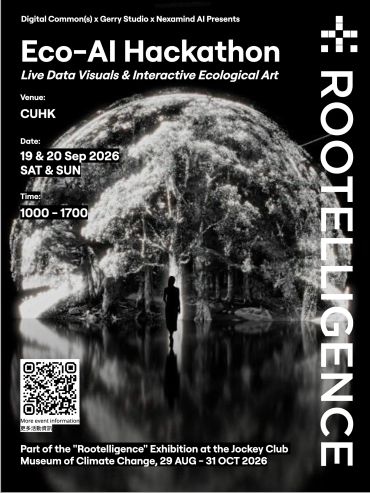
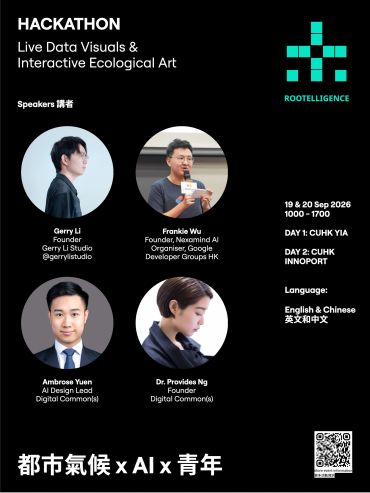
- ART HACKATHON,
- AI WORKSHOPS AND MORE!
WE WILL UPDATE EVERY MONTH FROM AUG-OCT 2026.
EXHIBITS CO-CREATED BY YOUTH | STUDENT PROGRAM OVERVIEW
STUDENT Showcase at CUHK Innoport


SPECIAL THANKS TO ALL OUR MENTORS & TEACHING SUPPORT LEADERS (TSL)

PARTICIPANTS' DESIGN OUTPUT


Contact Us
For inquiries related to our initiatives as citizen scientists in the digital commons, please reach out via email at management@digital-commons-lab.com.
Address
The Univeristy of Hong Kong, Pao Siu Loong Building, Hong Kong
Copyright © 2026 Digital Common(s) - All Rights Reserved.