Digital Common(s)
  • Home
  • AI Research Lab
    • AI for Youth
    • AI for Corporates
    • AI for Public Engagement
    • AI for CSR
    • AI for Sustainability
  • Bio Design & Material Lab
    • Rootelligence
    • Biomaterial Lab
    • Biodegradable Plastic PHA
    • Upcycled Wood AR
    • Eco Jewelry
    • AI in Bio-design
    • Green Building
    • DC Education
  • EduTECH & PropTECH Lab
    • Fire Safety VR Game
    • ArchiCraft VR
    • Medical Education VR
    • Round-the-Table VR
  • Digital Co-creation Lab
    • DC Community
    • Social Housing Metaverse
    • Intergenerational Design
    • Volumetric Cinema
    • Volumetric Cinema 2
    • HKIA RAX EXHIBITION
  • Computational Media Lab
    • Design
    • Research
    • University Courses
  • ABOUT US
    • Our Team
    • Social Media
    • Press Release
    • Event Photos
  • More
    • Home
    • AI Research Lab
      • AI for Youth
      • AI for Corporates
      • AI for Public Engagement
      • AI for CSR
      • AI for Sustainability
    • Bio Design & Material Lab
      • Rootelligence
      • Biomaterial Lab
      • Biodegradable Plastic PHA
      • Upcycled Wood AR
      • Eco Jewelry
      • AI in Bio-design
      • Green Building
      • DC Education
    • EduTECH & PropTECH Lab
      • Fire Safety VR Game
      • ArchiCraft VR
      • Medical Education VR
      • Round-the-Table VR
    • Digital Co-creation Lab
      • DC Community
      • Social Housing Metaverse
      • Intergenerational Design
      • Volumetric Cinema
      • Volumetric Cinema 2
      • HKIA RAX EXHIBITION
    • Computational Media Lab
      • Design
      • Research
      • University Courses
    • ABOUT US
      • Our Team
      • Social Media
      • Press Release
      • Event Photos
Digital Common(s)
  • Home
  • AI Research Lab
    • AI for Youth
    • AI for Corporates
    • AI for Public Engagement
    • AI for CSR
    • AI for Sustainability
  • Bio Design & Material Lab
    • Rootelligence
    • Biomaterial Lab
    • Biodegradable Plastic PHA
    • Upcycled Wood AR
    • Eco Jewelry
    • AI in Bio-design
    • Green Building
    • DC Education
  • EduTECH & PropTECH Lab
    • Fire Safety VR Game
    • ArchiCraft VR
    • Medical Education VR
    • Round-the-Table VR
  • Digital Co-creation Lab
    • DC Community
    • Social Housing Metaverse
    • Intergenerational Design
    • Volumetric Cinema
    • Volumetric Cinema 2
    • HKIA RAX EXHIBITION
  • Computational Media Lab
    • Design
    • Research
    • University Courses
  • ABOUT US
    • Our Team
    • Social Media
    • Press Release
    • Event Photos
#

Bio-plastic

PHA

#

Mycelium

#

Chitosan

Bio Design + Material Research

Bio-Urban Intelligence Lab (BUIL) 生物都市智慧實驗室

BUIL is an interdisciplinary research lab situated at the convergence of urban ecology, biodesign, geospatial science, and artificial intelligence.

statement

Team

Dr. Provides NG

Mr. Leo, Yuan LIU
Dr. Provides NG

 Founder & Research Director


Lecturer, UCL

PhD, CUHK

Panel, LCSD & DevB, HKSAR

Treasurer, CAADRIA

Ms. Wendy TSE

Mr. Leo, Yuan LIU
Dr. Provides NG

Bio-Fabrication Lead /

Design Operation Manager


MArch, Bartlett, UCL

Bio-integrated Design

Mr. Leo, Yuan LIU

Mr. Leo, Yuan LIU
Mr. Leo, Yuan LIU

Research Assistant (Material Design) 


Master of Science in Advanced Architectural Design, The University of Hong Kong 

Ms. Kathy SZETO

Mr. Leo, Yuan LIU
Mr. Leo, Yuan LIU

Sustainability Designer


Master of Architecture, The Chinese University of Hong Kong

BIO-PLASTIC PHA & ADDITIVE MANUFACTURING

Food waste Infused 3D Printing (orange peel, coffee powder, seaweed)

Mycelium material is a sustainable, biodegradable biomaterial grown from the root-like network of fungi combined with agricultural and organic waste.


oyster shell & bio-calcium composites

Chitosan is a natural, biodegradable BIOPLASTIC made by treating the outer shells of crustaceans (such as shrimp, crabs, and lobsters)

AI IN BIO-DESIGN

gyroid design for water filtration

co-governance framework for urban vegetation

Countless cities participate in a speculative economy of urbanism, where liquid capitals are accumulated in concrete form. Green initiatives face obstacles like shadow economies, where markets do not see how carbon cycling can be profitable. Among the challenges is the unwelcoming to urban vegetation, not only by development schemes, but also citizens. Every year, Hong Kong receives approx. 18000 complaints on trees, causing their removal. The rate of carbon cycling in urban trees is higher than those in forests, how can architects design for a system where carbon is the value we circulate within urbanism? If CO2 recycling is better for humans, there are value to be realised, what are the potentials of decentralising urban tree ownership as a carbon derivatives strategy? What is the minimum modular unit of land value relative to digital econometrics? This project discusses ways in which citizens and urban vegetation can be amalgamated into the same urban ecosystem dynamics.

What are the potentials of decentralising urban tree ownership as a carbon derivatives strategy?


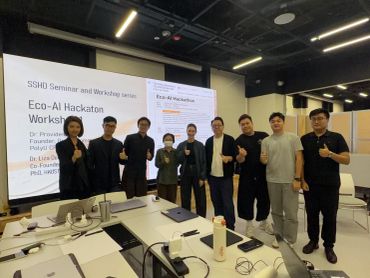
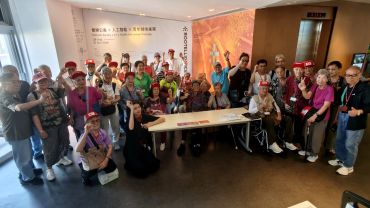
KNOWLEDGE TRANSFER & PUBLIC ENGAGEMENT

Copyright © 2026 Digital Common(s) - All Rights Reserved.

  • Home
  • Design
  • Research
  • University Courses
  • Our Team
  • Social Media